How to Package Products for Delivery in Ghana

Why Packaging Matters
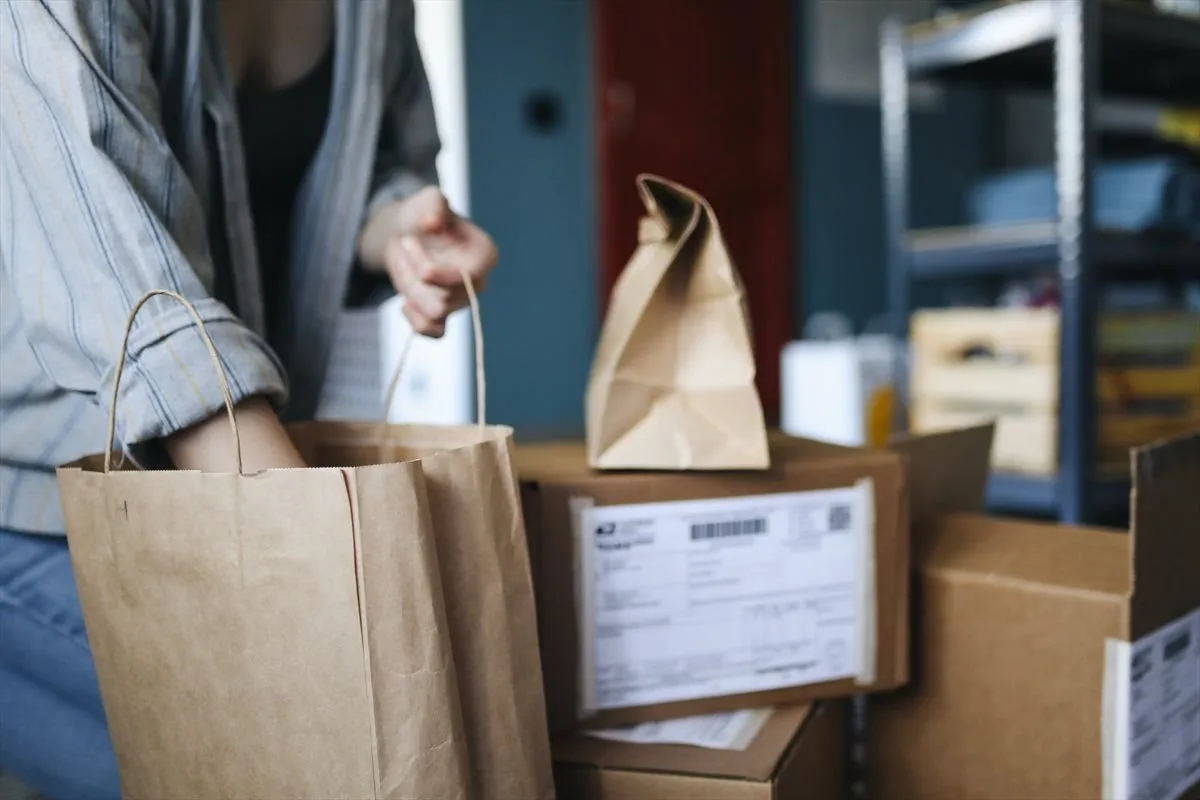
Packaging is the first physical interaction a customer has with your brand. A well-packaged order tells your customer that you care about quality. A poorly packaged one — with handwritten labels, flimsy wrapping, and items rattling around inside — tells them you do not.
Great packaging does three things for your business:
- Prevents damage — products arrive in the same condition they left your shop. No refund requests, no angry customers, no replacement costs.
- Builds your brand — professional packaging with printed labels and branded elements makes your shop look established and trustworthy, even if you are just starting out.
- Drives repeat purchases — the unboxing experience matters. Customers who receive a well-packaged order are more likely to buy again and recommend your shop to others.
Your packaging is your brand’s handshake. Make it firm, clean, and memorable.
In a competitive market like Ghana’s ecommerce space, packaging is one of the simplest ways to stand out. Most online sellers in Ghana still use plain brown envelopes with marker-written addresses. That is your opportunity.
Essential Packaging Materials
You do not need expensive materials to package products well. Here are the essentials every online shop in Ghana should have:
Boxes and Mailer Bags
Corrugated cardboard boxes are the standard for most products. They come in a range of sizes and provide solid protection during transit. For clothing, accessories, and other non-fragile items, poly mailer bags are lighter and cheaper — they reduce delivery costs and are water-resistant.
Keep a range of box sizes in stock. Using a box that fits the product saves on filler material and prevents items from shifting during delivery. An oversized box with a small item bouncing inside is a recipe for damage.
Bubble Wrap and Filler
Bubble wrap is essential for fragile items like electronics, glassware, and ceramics. For lighter padding, use crumpled kraft paper or foam peanuts to fill empty spaces in the box. The goal is to eliminate movement — if you shake the package and hear something shifting, add more filler.
Tissue Paper
Tissue paper adds a layer of care to your packaging. Wrapping products in tissue paper before placing them in the box makes the unboxing experience feel premium. This is especially effective for fashion, beauty, and gift items. You can get branded tissue paper or use a solid colour that matches your brand.
Packing Tape
Use strong packing tape to seal boxes securely. Clear or brown packing tape works for standard packaging. Branded tape with your logo is a simple upgrade that reinforces your brand on every package. Avoid using cellophane tape — it is not strong enough for shipping and will come apart in transit.
Where to Source Materials in Ghana
Packaging materials are available at Makola Market and Kantamanto in Accra, as well as packaging suppliers in Tema and Kumasi. For larger volumes, buy wholesale from suppliers who can deliver to your location. Poly mailer bags, bubble wrap, corrugated boxes, and packing tape are all available locally. For thermal label printers and sticker rolls, visit hardware.nuanom.shop.
How to Package Different Products
Different products need different packaging approaches. Here is how to handle the most common categories:
Clothing and Fashion
Fold items neatly and wrap in tissue paper. Place in a poly mailer bag or a flat box. Poly mailers are ideal for clothing because they are lightweight, water-resistant, and reduce delivery costs. For premium items like suits, dresses, or leather goods, use a box to prevent creasing.
Electronics and Gadgets
Always use bubble wrap. Wrap the item individually, then place it in a box with padding on all sides. If the product has its own retail box, wrap the retail box in bubble wrap before placing it in the outer shipping box. Electronics are sensitive to impact — a single drop during delivery can damage them.
Beauty and Skincare Products
Bottles and jars need individual wrapping to prevent them from knocking against each other. Use bubble wrap or foam sleeves for each item. Place items upright in the box and fill gaps with crumpled paper. For liquid products, seal caps with tape as an extra precaution against leaks.
Fragile Items (Glassware, Ceramics)
Double-box fragile items. Wrap the item in bubble wrap, place it in a smaller box with padding, then place that box inside a larger box with more padding between the two. This creates two layers of protection. Mark the outer box as “FRAGILE” clearly on multiple sides.
Food and Perishables
Food items require insulated packaging and fast delivery. Use insulated bags or boxes with ice packs for perishable items. Non-perishable food items like snacks, spices, or packaged goods can be shipped in standard boxes with padding to prevent crushing. Ensure all food items are sealed properly to maintain hygiene.
Packaging for Ghana’s Conditions
Ghana’s climate and delivery infrastructure present unique challenges that you need to account for in your packaging:
Heat and Humidity
Ghana’s tropical climate means packages are exposed to heat and humidity during transit. Chocolate, cosmetics, candles, and other heat-sensitive products can melt or deform. Use insulated packaging for these items and schedule deliveries for the cooler parts of the day when possible. For humidity-sensitive products like leather goods or electronics, include silica gel packets to absorb moisture.
Rough Roads and Motorcycle Delivery
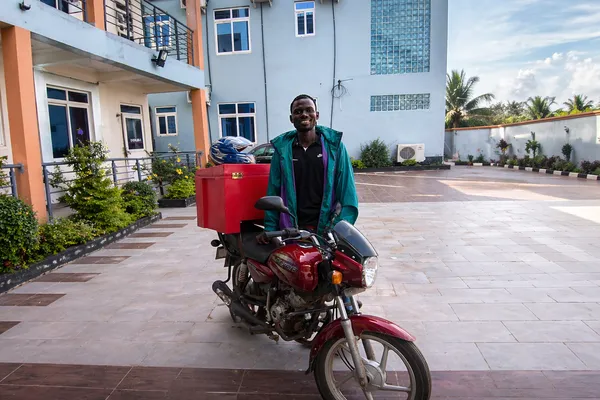
Most last-mile deliveries in Ghana happen by motorcycle. Packages get jostled, squeezed into delivery bags, and exposed to occasional rain. This means your packaging needs to handle impact and vibration. Use rigid boxes instead of soft envelopes for fragile items, and always add extra padding. Tape all seams — not just the top flap — and make sure boxes are sealed securely. A box that opens during a motorcycle ride is a lost order.
Rain Protection
During the rainy season, packages will get wet. Poly mailer bags are naturally water-resistant, which is one of their biggest advantages. For cardboard boxes, place products in a plastic bag inside the box as an extra layer of protection. Delivery labels printed on a thermal printer are waterproof — ink from regular printers or markers will smear and become unreadable in the rain.
Include a Phone Number on Every Package
House numbering in Ghana is inconsistent, and many areas lack proper addresses. Always make sure the customer’s phone number is printed prominently on the delivery label so the rider can call to confirm the location. If you are using Ghana Post GPS digital addresses, include those too. Automatically generated delivery labels from platforms like Nuanom include the phone number by default.
Waterproof labels — Thermal delivery labels resist rain, unlike ink-printed A4 labels or handwritten markers
Delivery Labels vs Packing Slips
There are two main types of documents you can attach to packages: delivery labels and packing slips. Many Ghanaian sellers still write customer details on packages with a marker. This is slow, error-prone, and unprofessional. Use tools like Nuanom that automatically generate delivery labels and packing slips for every order.
Delivery Labels (4″ × 6″)
Delivery labels are 4-inch by 6-inch adhesive stickers printed using a thermal label printer. They contain the customer’s name, phone number, delivery address, and order details. You peel and stick them directly onto the package — no tape needed.
Nuanom generates two types of delivery labels: one with product details and one without. Labels with product details are useful when you want the rider to verify the contents before delivery.
Packing Slips (A4)
Packing slips are A4-size documents printed on a regular office printer. They include order details, product lists, and customer information. You print them on standard paper, fold or cut to size, and attach to the package with adhesive tape.
Which Should You Use?
Delivery labels are better in almost every way:
- Waterproof and scratchproof — thermal labels do not smear in rain or rub off during transit. A4 paper labels will.
- Faster to apply — peel and stick in seconds. No cutting, folding, or taping.
- More professional — clean, printed labels make your business look established.
- No ink required — thermal printers use heat, not ink. You never run out of ink mid-fulfillment.
Packing slips are a good starting point if you already have an office printer, but upgrading to a label printer is one of the best investments you can make for your fulfillment process.
Get a Label Printer
A thermal label printer is the single best tool for packaging efficiency. It prints 4″ × 6″ delivery labels on adhesive sticker rolls using heat — no ink cartridges to buy or replace. Labels come out waterproof, scratchproof, and ready to stick on packages.
Nuanom sells high-quality thermal label printers and sticker rolls at hardware.nuanom.shop. These printers are compatible with the delivery labels generated by the Nuanom merchant app.
A label printer pays for itself quickly. If you are processing more than a few orders per day, the time saved on labeling alone makes it worth it.
Setting up is simple: connect the printer to your phone or computer, create a batch in the Nuanom app, and print all your delivery labels at once. No handwriting, no cutting paper, no taping slips to boxes.
Process Orders in Bulk with Batches
When your shop starts receiving a high volume of orders, processing them one by one becomes a bottleneck. This is where Nuanom’s batch processing feature changes everything.
Up to 100 orders — Number of orders you can process in a single Nuanom batch
Here is how batches work:
- Go to Orders > Batches > Create Batch in the Nuanom merchant app.
- Select the orders you want to include — up to 100 at a time.
- The system automatically generates delivery labels (4″ × 6″), packing slips (A4), and product quantity summaries for all orders in the batch.
- Print your labels, pack all orders, and mark the batch as complete.
- All customers in the batch automatically receive their receipts via SMS and email.
The product quantity summary is especially useful — it tells you exactly how many of each product you need across all orders in the batch. This means you can pick all your products first, then pack each order, instead of going back and forth for every individual order.
If you need to remove an order from a batch, you can do so and it returns to your “To Deliver” queue. If you do not have a Nuanom account yet, you can create an online store in Ghana or start for free — the free plan includes batch processing with delivery labels.
Brand Your Packaging
40% — of consumers would share unique packaging on social media — free marketing for your shop
Branded packaging turns a transaction into an experience. It does not have to be expensive — small touches can make a big difference:
Branded Tape
Custom packing tape with your logo and brand colours is one of the cheapest branding upgrades. Every package that leaves your shop carries your brand. It also serves as a tamper-evident seal — customers can tell if the package has been opened.
Stickers
Brand stickers on the package or inside the box add a personal touch. Use them to seal tissue paper wrapping or place one on the inside flap of the box so it is the first thing the customer sees when they open it.
Thank-You Cards
A small card thanking the customer for their order goes a long way. You can include your social media handles, a discount code for their next purchase, or a simple “Thank you for shopping with us.” This personal touch encourages repeat purchases and social media shares.
Branded Tissue Paper
For premium products, wrapping items in tissue paper with your logo printed on it elevates the unboxing experience. This works particularly well for fashion, beauty, and gift items.
The unboxing experience is marketing. When customers receive a beautifully packaged order, they are more likely to share it on social media — especially on TikTok and Instagram. That is free advertising.
Common Packaging Mistakes to Avoid
- Handwriting delivery details with markers — this looks unprofessional, is slow, and smears in rain. Use printed delivery labels generated automatically from your orders.
- Using oversized boxes — a small product in a large box shifts around and gets damaged. Match the box to the product size and fill any gaps with padding.
- Skipping padding for fragile items — bubble wrap is cheap. A broken product costs you the item, the delivery fee, a refund, and a customer.
- Not accounting for rain — Ghana has two rainy seasons. If your label smears or your box disintegrates in the rain, the delivery fails. Use thermal labels and waterproof packaging.
- Processing orders one at a time — when volume grows, this kills your efficiency. Use batch processing to handle dozens of orders at once.
- Ignoring the unboxing experience — your competitor might sell the same product, but the one who packages it better wins the repeat customer. A little tissue paper and a thank-you card cost almost nothing.
Good packaging is not just about protecting the product — it is about protecting your brand. Every package you send is a chance to impress a customer and earn their loyalty.
Ready to streamline your order fulfillment? Read our guide on how to start an online shop in Ghana to set up your store and start accepting orders with built-in delivery labels and batch processing. And once your fulfillment process is tight, read our guide on how to make money from deliveries in Ghana to start pricing your delivery fees for profit.
Frequently asked questions
What size are delivery labels?
Standard delivery labels are 4 inches by 6 inches (4" x 6"). They are printed on adhesive sticker paper using a thermal label printer. This is the same size used by major logistics companies worldwide.
Do I need a label printer for my online shop?
A label printer is strongly recommended but not required to start. You can begin with A4 packing slips printed on a regular office printer and taped to packages. However, a thermal label printer is faster, produces waterproof and scratchproof labels, and looks more professional. Nuanom sells label printers and stickers at hardware.nuanom.shop.
Where can I get packaging materials in Ghana?
Packaging materials are available at Makola Market and Kantamanto in Accra, as well as packaging suppliers in Tema and Kumasi. For label printers and thermal stickers, visit hardware.nuanom.shop. You can also order bubble wrap, mailer bags, and branded tape from packaging suppliers who deliver across Ghana.
How do I protect fragile items during delivery in Ghana?
Wrap fragile items in bubble wrap, use crumpled paper or foam to fill empty spaces in the box, and mark the package as fragile. Use a box that fits the item snugly — too much empty space allows items to shift and break during transit. For very fragile items, double-box by placing the wrapped item in a smaller box inside a larger box with padding between them.
Can I process many orders at once?
Yes. Nuanom has a batches feature that lets you process up to 100 orders at a time. When you create a batch, the system automatically generates delivery labels, packing slips, and product quantity summaries for all orders in the batch. This saves hours of manual work when fulfilling large volumes.

Related